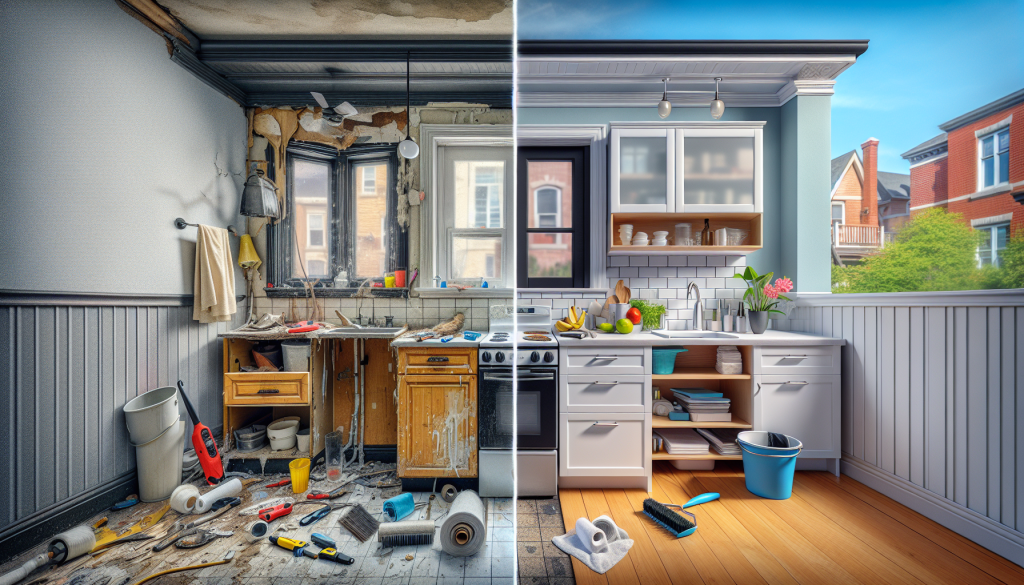

The Green Toronto Apartment Guide: Renovate Small, Live Large, Tread Lightly
You live in a city that’s leading the charge on climate action, but your home is a 500-square-foot condo. How do you make your space healthier, more efficient, and kinder to the planet without a major gut job or a massive budget? The answer lies in a new kind of renovation: one that’s as smart and focused as you are.
Welcome to the world of eco-friendly apartment renovations in Toronto. This isn’t about installing solar panels on a roof you don’t own. It’s about making strategic, impactful choices that transform your small space into a sanctuary of efficiency, comfort, and style. It’s good for your wallet, your well-being, and the world outside your window.
Why “Green” is the Smartest Reno for Your Small Space
In a small apartment, every upgrade has an outsized impact. Here’s why an eco-conscious approach is the ultimate win-win:
-
Lower Bills, Higher Comfort: Small spaces lose heat and cool air quickly. By focusing on the building envelope—air sealing, insulation, and high-performance windows—you create a more stable, comfortable environment that costs significantly less to heat and cool. A ductless heat pump can provide efficient heating and cooling in one sleek unit.
-
Breathe Easier: Apartments can trap pollutants. Renovating with low-VOC paints, formaldehyde-free cabinetry, and proper ventilation (like an energy recovery ventilator, or ERV) dramatically improves indoor air quality, reducing allergens and creating a healthier home.
-
Maximize Every Inch: Eco-design and space-saving design are natural partners. Built-in storage, multifunctional furniture, and a “less is more” material palette make a small footprint feel open, airy, and intentionally designed.
Your Green Reno Playbook: Start with Strategy
Before you buy a single can of paint, follow this roadmap to ensure your project is effective, efficient, and approved.
Step 1: The Energy Audit (Your New Best Friend)
You wouldn’t let a doctor operate without a diagnosis. Don’t renovate without an energy assessment. A certified energy advisor will use tools like a blower door test to find exactly where your apartment is leaking air and losing energy. This report becomes your renovation blueprint, telling you which upgrades (like sealing drafts or insulating a specific wall) will deliver the biggest return on investment.
Step 2: Know Your Building’s Rules
This is the Toronto-specific reality check. Before you plan any work, especially if it involves the HVAC, windows, or any structural changes, you must review your condo corporation’s rules. You’ll likely need board approval and may have restrictions on work hours and contractor insurance. A contractor experienced in condo renovations will handle this for you.
Step 3: Prioritize Your Green Upgrades
Not all green upgrades are created equal. For a small Toronto apartment, focus on this hierarchy of impact:
| Priority | Upgrade Area | Why It Matters Most |
|---|---|---|
| 1. The Envelope | Air sealing, insulation, windows/storm windows. | This is the foundation. Stop the energy leaks first. It’s the single biggest driver of comfort and savings. |
| 2. Healthy Air | Ventilation (ERV/HRV), low-VOC materials. | In a tightly sealed apartment, you need controlled, fresh air. This prevents moisture, mold, and indoor pollution. |
| 3. Efficient Systems | Heat pump (for heating/cooling), Energy Star appliances, LED lighting. | Right-size your mechanical systems for a small space. Heat pumps are incredibly efficient and provide both heating and cooling. |
| 4. Water & Materials | Low-flow fixtures, sustainable countertops (recycled glass, FSC-certified wood), durable flooring like bamboo or cork. | Reduce your daily water use and choose materials with a lower environmental footprint that will last. |
| 5. Smart Design | Built-in storage, multifunctional furniture, thoughtful layouts. | Maximize usable space, reducing the need for extra furniture and making the apartment feel larger and more efficient. |
Finding Your Green Team: The Right Contractor
A general contractor is not enough. You need a partner who speaks the language of sustainability and understands the complexities of Toronto apartments. Ask these specific questions:
-
“Can you provide an estimated energy savings or performance improvement for your proposed upgrades?” (A good green contractor will have a data-driven answer).
-
“What is your specific process for air sealing in a condo unit?”
-
“Which low-VOC and formaldehyde-free material brands do you typically specify, and why?”
-
“Walk me through your waste management plan. How much of our demolition debris will be recycled or donated?”
-
“How will you coordinate with my condo board and manage work within their rules?”
Real-World Inspiration: A Toronto Apartment Transformation
The Space: A 550 sq ft, one-bedroom condo in a high-rise near Yonge and Eglinton. The owner complained of constant drafts in winter, high humidity in summer, and a persistent “stuffy” feeling.
The Green Reno Plan:
- Phase 1 (Envelope): A professional energy audit revealed major air leaks around the window frames and electrical outlets. The contractor used specialized sealants and gaskets to dramatically improve airtightness. Existing windows were in good shape, so they added discreet, high-performance interior storm windows.
- Phase 2 (Healthy Air): Installed a compact energy recovery ventilator (ERV) that continuously brings in fresh, filtered air while exhausting stale air, recovering the energy in the process. All paints and finishes were zero-VOC.
- Phase 3 (Efficient Systems): Replaced the old, inefficient through-wall AC unit with a sleek, ductless mini-split heat pump. Installed ENERGY STAR-rated LED lighting throughout.
- Phase 4 (Materials & Design): In the kitchen, they refaced existing cabinets (avoiding waste) and installed a beautiful countertop made from recycled glass. In the living area, they built in custom, floor-to-ceiling shelving from FSC-certified plywood.
The Result: The owner reported a 30% reduction in energy bills, the end of the “stuffy” feeling, a quieter home, and a space that felt both larger and more aligned with their values.
The Bottom Line: Cost, Incentives & ROI
-
Cost: A green renovation can range from a few thousand dollars (air sealing, lighting, low-VOC paint) to $20,000-$40,000+ for major system upgrades like a heat pump, new windows, and an ERV.
-
Incentives: This is crucial. Check for current rebates from programs like the Canada Greener Homes Grant (or its successor), and local utility programs (like Enbridge or Toronto Hydro) for insulation, windows, and heat pumps. These can significantly offset costs.
-
ROI: Look beyond simple payback. Your return comes from lower monthly bills, a more comfortable and healthier home, and increased property value in a city where buyers are increasingly savvy about green features.
Renovating a small apartment in Toronto with an eco-friendly lens is the ultimate smart play. It’s an investment in your daily life, your financial future, and the planet. It proves that you don’t need a lot of space to live a life of big impact.
What’s the one thing you’d change about your apartment to make it healthier or more comfortable? Start there.