
Real Review of the Best Construction Company in Toronto
Old houses carry a living memory of the hands that built them and the years they have endured. Renovating an old house for interior decoration is a careful balance between preserving character and inviting modern comfort. Part 58 of this series explores thoughtful approaches to indoor decoration that honor the architecture while creating inviting, functional living spaces. The goal is a harmonious home that tells its history while meeting contemporary needs.
Understanding the character of the house
The first step in any interior decoration plan is to study the house itself. Look for plaster walls, original moldings, window frames, stair banisters, and fireplaces that speak to the era of the build. These details are not just aesthetic features; they are functional testimonies of the house’s life. Decide which elements should be preserved as anchors for the design and which elements can be updated or softened to improve daily use. Preservation does not mean freezing the space in time. It means thoughtfully integrating new comfort with old charm so that the house remains legible and honest about its past.
Choosing a design language for interior decoration
A successful interior design for an old house often starts with a unifying concept that respects the architectural language. You can blend vintage pieces with clean modern lines, but aim for a cohesive story rather than a collection of disparate styles. Neutral color foundations work well because they let architectural details stand out. Textures such as wood grain, stone, linen, and handmade fabrics add warmth and character. When selecting furniture and lighting, look for pieces that reference the era of the house or that complement the period without creating a clash with original features. The goal is to create spaces that feel curated rather than staged.
Color and lighting
Color is a powerful tool in reviving or honoring an old interior. Start with a warm, soft palette for walls that enhances plaster and wood rather than competing with them. Think creamy whites, warm beiges, soft greens, and pale blues that echo historic color schemes yet feel fresh. Use accent colors sparingly on built in storage, textiles, or one wall to avoid overwhelming the room’s original proportions.
Lighting should be layered to compensate for the aging of windows and the need for modern task light. Combine ambient light from ceiling fixtures with task lighting at work surfaces and reading nooks. Consider period appropriate fixtures that match the house style but use energy efficient LEDs. Large daylight windows deserve generous treatments that let in natural light while offering warmth at night.
Materials and finishes
Old houses reveal a material story in their floors, walls, and ceilings. Where possible, restore original materials rather than replace them. Refinish hardwood floors to bring back their luster and character. If plaster walls have cracks, repair with skilled plastering rather than heavy skim coating, which can erase texture and depth. Consider lime wash or soft textured wallpaper to enrich plaster walls without covering the character.
Ceilings often hold architectural charm such as medallions, cornices, or exposed beams. Retain or carefully restore these features. For ceilings that require a modern transformation, opt for a light, breathable finish that respects height and proportion. Choose finishes with warmth and age in mind, avoiding anything that looks overly new or clinical.
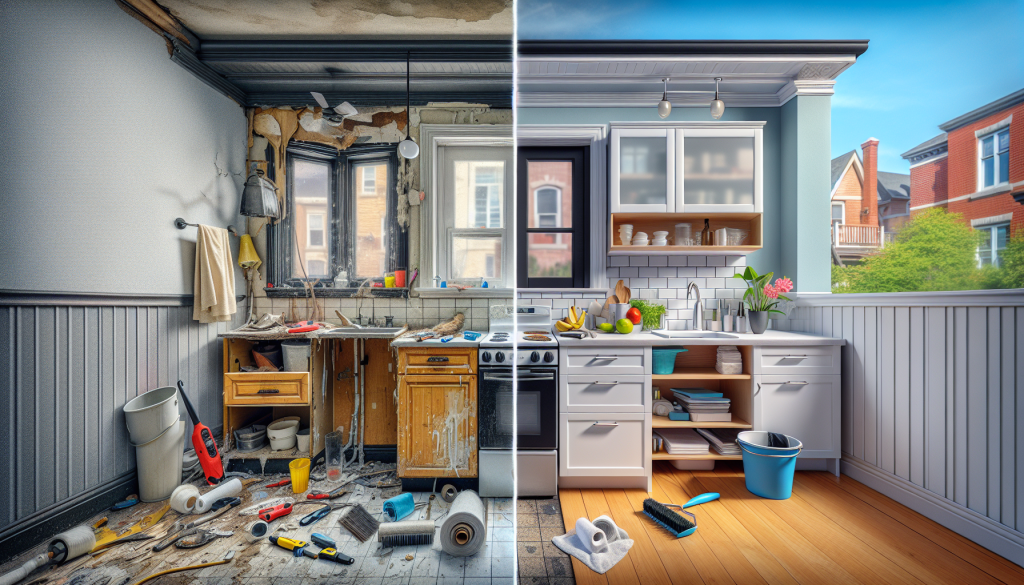
Kitchens and bathrooms in old houses present a practical challenge. Fluidly integrating modern plumbing and appliances without sacrificing period character is a common goal. Options include cabinetry that mirrors traditional style with contemporary interiors, hidden appliances behind paneled fronts, and vintage inspired hardware. For bathrooms, consider larger mirrors, period style fixtures, and tile patterns that nod to the era while ensuring water resistance and durability. The aim is a space that feels authentic yet works well for daily use.
Space planning and layout
Old houses often have graceful but narrow or irregular spaces. Plan around existing structural elements such as load bearing walls, staircases, and the placement of doors. Instead of aggressively changing the footprint, look for opportunities to improve flow with built in storage, smart furniture layouts, and room function reconfiguration. When open plan living is possible, soften transitions with partial walls, glass panels, and furniture zoning to preserve the character of smaller rooms while improving usability.
Preservation versus modernization
A practical approach is to categorize spaces by their level of preservation. Rooms with delicate plaster or ornate woodwork may benefit from light touch ups and careful cleaning rather than heavy remodeling. More flexible spaces can receive modern updates that enhance comfort, such as improved insulation, new electrical supply, and better climate control. Always plan for future needs by installing upgrade ready infrastructure that can be updated without compromising the historic fabric.
Budgeting and planning
Renovating an old house requires careful budgeting and phased planning. Start with a thorough assessment of structural issues, moisture and insulation, and the cost of restoring or repairing historic elements. Create a budget that includes a contingency for unforeseen discoveries common in older structures. Allocate funds to essential improvements first, such as humidity control, cellar or attic insulation, and foundational repairs, then move to cosmetic updates like paint, fabrics, and furniture. Keep a written schedule and track decisions to prevent scope creep.
Working with professionals
Collaboration with experienced professionals can make the difference between a successful renovation and ongoing frustration. Seek an architect or designer who has worked on historic or period homes and understands the balance between preservation and modernization. A skilled contractor with experience in old houses is essential to manage load bearing considerations, plaster work, and the delicate handling of vintage materials. Clear communication about goals and constraints helps builders deliver a space that respects the house while serving modern life.
A practical step by step approach
1. Survey and document the existing conditions. Photograph and measure every room, noting architectural features worth preserving.
2. Define a design concept that ties the rooms together while honoring distinctive details.
3. Develop a realistic budget and timeline, including allowances for restoration work and contingencies.
4. Source materials that match the era in feel but meet current standards for safety and comfort.
5. Plan electrical and plumbing upgrades to be as minimally invasive as possible while meeting today’s requirements.
6. Restore key architectural elements such as plaster walls, cornices, staircases, and original flooring where feasible.
7. Implement color and lighting schemes that highlight character while providing everyday practicality.
8. Design kitchens and bathrooms to align with both historic mood and modern usage.
9. Furnish and decorate with a mix of salvage pieces and new purchases to create a coherent story.
10. Review and adjust, letting use patterns reveal where further refinements are needed.
Common mistakes to avoid
neglecting moisture and structural issues before cosmetic updates
overloading rooms with too many modern styles that compete with architecture
choosing finishes that are incompatible with the overall energy efficiency of the home
underestimating the time and budget required for restoration work
skipping professional guidance when dealing with historic construction methods
A note on sustainability and longevity
An old house offers natural insulation, thermal mass, and sustainable potential when treated with respect. Use sustainable materials where possible, repair rather than replace, and seek energy efficiency improvements that do not compromise the building’s character. Simple steps such as draught proofing, upgrading windows responsibly, and using durable, low maintenance finishes can significantly enhance comfort and value without erasing history.
A short case framing for inspiration
Imagine a two story village house with a wood frame and plaster walls. The living room features a restored fireplace as the room’s focal point, with a new but period styled chandelier and warm plaster walls. The ceiling retains a decorative cornice, which is illuminated by soft LED downlights. The dining area adjoins a kitchen that uses panelled cabinetry in a muted color and brass hardware. The floors are refinished oak with a subtle sheen, and the windows have period style casements with energy efficient glazing. The result is a space that feels ancient and alive yet perfectly suited to modern living.
Closing thoughts
Part 58 invites you to approach old house renovation as a collaborative journey with the architecture rather than a simple makeover. The interior decoration should honor history while providing comfort, functionality, and beauty for today. When carefully planned and executed with respect for the house’s character, an old home can become a timeless space that tells its story through texture, light, proportion, and thoughtful detail. Indoor decoration in old houses is not about recreating the past exactly, but about letting the past inform a living present.