The Toronto Heritage Homeowner’s Handbook: Renovating with Respect (and a Realistic Budget)
You fell in love with a piece of Toronto’s story. Maybe it’s a Victorian semi in Parkdale with original trim, an Edwardian in the Annex with a gorgeous brick façade, or a modest worker’s cottage in Leslieville. But that love affair comes with a question: how do you make it yours—with a modern kitchen, a functional bathroom, and manageable energy bills—without erasing the very soul that drew you to it?
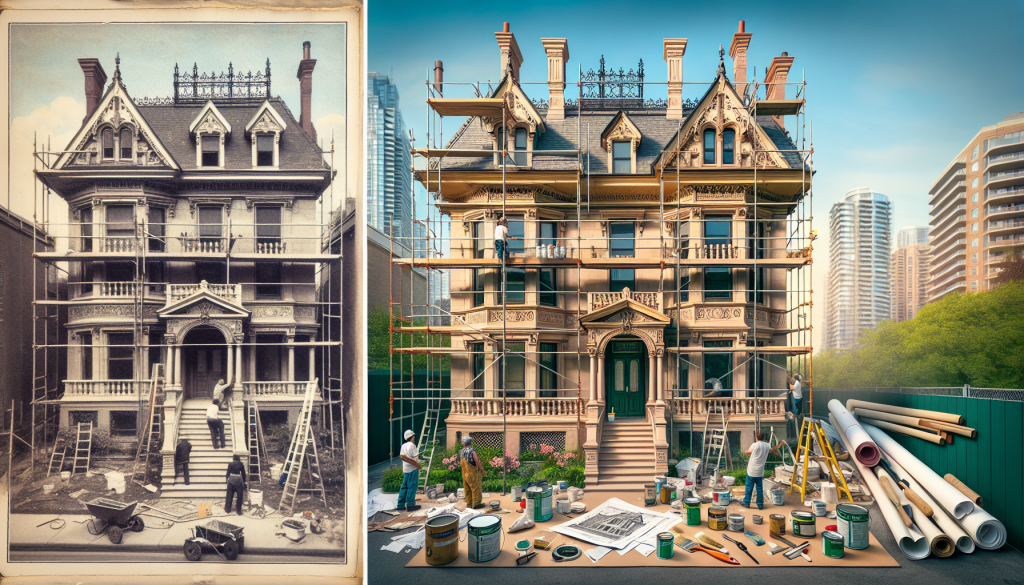
Renovating a heritage home in Toronto is a unique journey. It’s a dance between respecting the past and embracing the present, all while navigating a specific set of city rules. This guide is your partner in that dance, showing you how to preserve your home’s charm on a budget that won’t leave you weeping into your original plaster.
First, Know Your Home’s “Heritage” Status
Before you even think about paint colours, you need to understand exactly what kind of relationship your home has with the City of Toronto. This determines everything that follows.
-
Designated Property: Your home is formally protected under the Ontario Heritage Act. This means its “character-defining elements”—both exterior and possibly interior—are legally protected. Any alteration to these features requires a heritage permit from the city.
-
Heritage Conservation District (HCD): Your home is in a neighbourhood like Cabbagetown or the Distillery District, where the streetscape’s historic character is protected. Changes to the exterior (like windows, roofing, or front porches) must adhere to strict district guidelines to ensure harmony with the whole area.
-
Listed but Not Designated: Your home is on the city’s heritage inventory, meaning it has potential heritage value but isn’t yet fully protected. This status can change, so it’s wise to consult with Heritage Preservation Services (HPS) early on.
Your first call should always be to HPS or a heritage consultant. They can clarify your home’s status and the specific rules that apply, saving you from costly mistakes later.
The Heritage Mindset: Repair, Don’t Replace
The golden rule of budget-friendly heritage renovation is a shift in thinking: value preservation over perfection. Your goal isn’t to make the house look brand new; it’s to make it healthy, functional, and beautiful by respecting its age and materials.
-
Original Wood Windows: Don’t automatically replace them with vinyl. A skilled window restorer can repair rotted sashes, add weatherstripping, and install discreet interior or exterior storm windows. This preserves the historic look, improves energy efficiency dramatically, and costs far less than custom replacements.
-
Brick and Mortar: Old homes need to breathe. They were built with soft, lime-based mortar that allows moisture to escape. Repointing with modern cement mortar traps moisture, leading to cracked bricks (spalling). A heritage mason will use the correct lime mix, a small cost difference that protects your home’s very structure.
-
Interior Details: Original plaster walls have a character and soundproofing that drywall can’t match. Repair cracks and stabilize them rather than tearing them out. Similarly, restore original trim, doors, and staircases. These are the details that give your home its irreplaceable soul.
Building Your Heritage A-Team
This is not a job for a generalist. You need professionals who speak the language of old buildings.
| Specialist | Their Role |
|---|---|
| Heritage Architect or Consultant | Your strategic lead. They prepare the necessary Conservation Plan, navigate the permit process with HPS, and ensure all designs meet heritage standards. This is money incredibly well spent. |
| Heritage Mason | An expert in lime mortar, period-appropriate brick repair, and stonework. They understand how to keep your masonry healthy. |
| Window Restorer | A craftsperson who can repair, rebuild, and weatherproof historic wood windows, often making them as efficient as modern ones. |
| General Contractor with Heritage Experience | The project manager who can coordinate all these specialists understands the sequencing of heritage work and respects the fragility of old materials. |
When interviewing, ask: “Can you show me a project similar to mine in Toronto, and walk me through the approval process?” Their answer will reveal everything.
A Phased, Budget-Savvy Approach to Your Heritage Reno
Trying to do everything at once is financially and emotionally overwhelming. A phased plan is your best friend.
-
Phase 1: The Essential & The Structural (Year 1):
-
Goal: Protect the building from further decay.
-
Actions: Fix the roof, repair critical masonry (repointing), address any foundation issues, and update unsafe electrical or plumbing. This is where your contingency fund lives, as old homes always have surprises.
-
-
Phase 2: The Character-Defining Elements (Year 2-3):
-
Goal: Restore the key features that give the home its charm.
-
Actions: Restore the original wood windows. Repair the front porch. Have a specialist restore the decorative plaster ceiling or the main staircase. These investments have the highest heritage ROI.
-
-
Phase 3: The Modern Living Updates (Year 3-5):
-
Goal: Make the home comfortable and functional for your life.
-
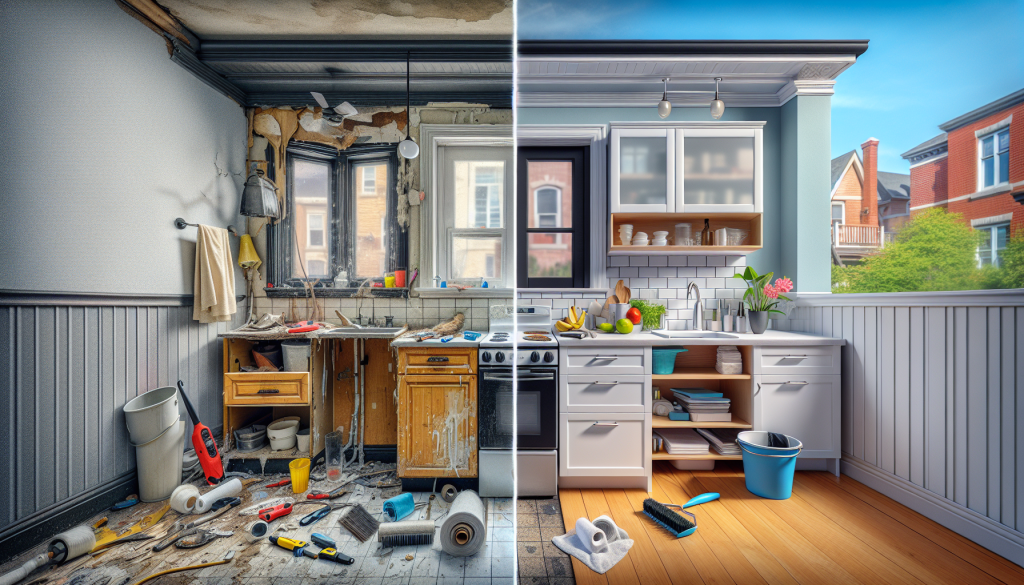
Actions: Now you tackle the kitchen or bathroom renovation. Design these new spaces to respect the old ones—a modern kitchen can sit beautifully within a heritage shell without mimicking it. Add insulation to the attic or in walls during other work, always ensuring it’s compatible with the building’s moisture management.
-
-
Phase 4: The Finishing Touches:
-
Goal: Personalize and perfect.
-
Actions: Paint in period-appropriate or complementary colours, landscape with respect to the home’s era, and furnish it in a way that honours its story.
-
Finding Financial Help
Preservation can be more expensive upfront, but there are resources in Toronto.
-
Heritage Grants: The City of Toronto occasionally offers grants for designated properties to help fund restoration work on significant heritage elements. Check with HPS for current programs.
-
Incentive Programs: Some energy efficiency programs have provisions for heritage homes, recognizing the need for special approaches like interior storm windows.
Renovating a heritage home in Toronto is not the cheapest or fastest path. But it is the most rewarding. It’s an act of stewardship, adding your chapter to a story that began long before you. By approaching it with knowledge, respect, and a realistic plan, you can create a home that is both historically rich and perfectly, comfortably yours.
What’s the one original feature in your home you couldn’t bear to lose? That’s where your preservation journey should start.